Does Your Extended Warranty Cover Transmission Repair?
If you have an extended warranty (also called a vehicle service contract), a transmission failure is exactly the kind of repair you bought it for. But coverage depends on the contract, so it pays to check before work begins. Valley Transmissions welcomes extended warranties, and these are the things to look at.
Check what your contract actually covers
Some contracts cover the transmission as a whole. Others list specific internal parts. Read the section on powertrain or transmission coverage and look for exclusions.
Know the claim process
Many providers require authorization before repairs begin. If work starts without approval, the claim may be denied. Call your provider, or have us help you with next steps, before approving a repair.
Ask about documentation
Providers sometimes ask for maintenance records, such as fluid services. Keep your service receipts in a folder or take photos of them.
Understand deductibles and limits
Look for your deductible, per-claim limits and any limits on labor rates. Some contracts reimburse after the repair; others pay the shop directly.
Watch for common exclusions
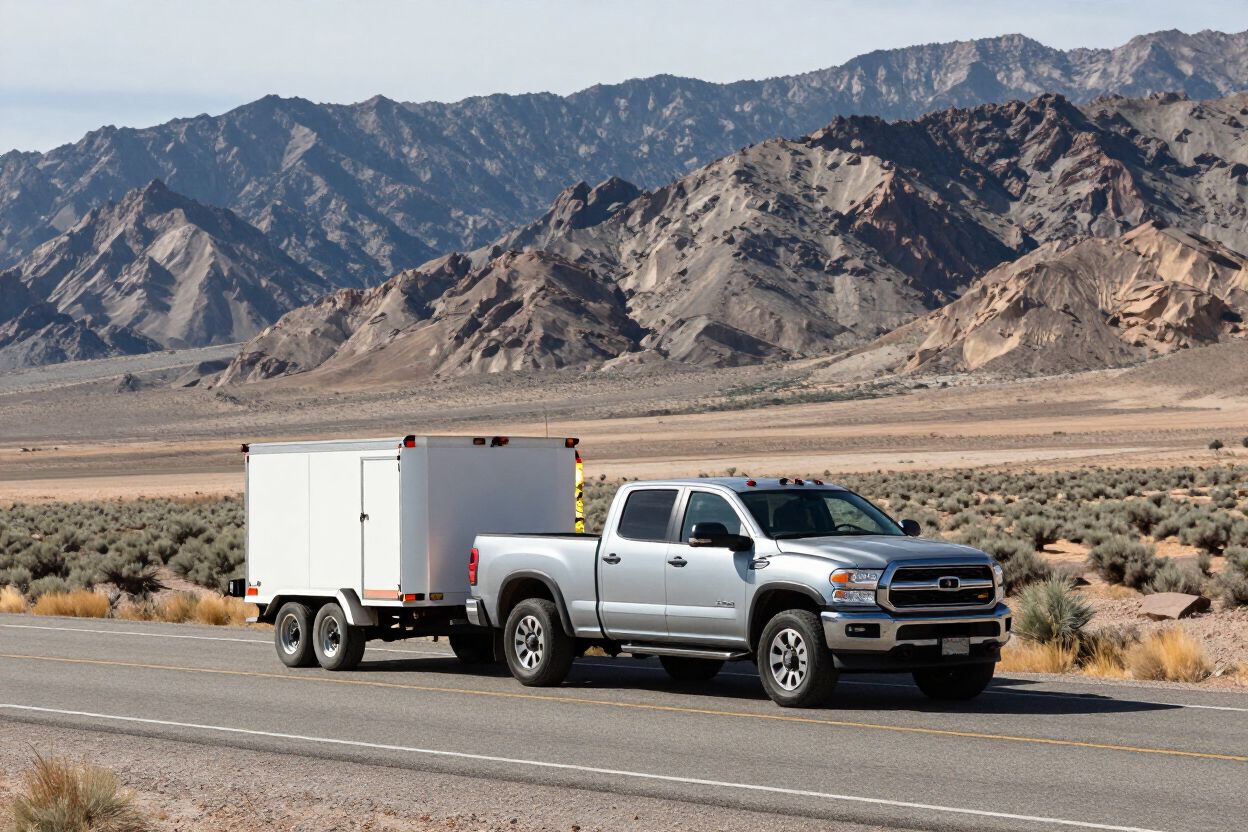
Contracts often exclude damage from lack of maintenance, modifications, or problems that existed before the contract started. Towing or off-road use can also matter, so read the fine print.
Our own warranty is separate
Whether or not you have an extended warranty, work at Valley Transmissions comes with our own coverage: 2 years/24,000 miles on rebuilt units and 3 years/100,000 miles on purchased units. See warranty details.
Before you call
Have your contract number, your provider's phone number and your vehicle's mileage handy. Tell us you have an extended warranty when you call, and we'll talk through how to proceed.
This article is general information, not a guarantee of coverage. Your contract and provider decide what's covered.
Call 825-5020 or contact the shop.