Rebuilt, Remanufactured or Replaced: Which Is Right for Your Vehicle?
When a transmission fails, you'll usually hear three words: rebuilt, remanufactured and replaced. They sound alike, but they aren't the same, and the right choice depends on your vehicle, your budget and how you use it.
Rebuilt
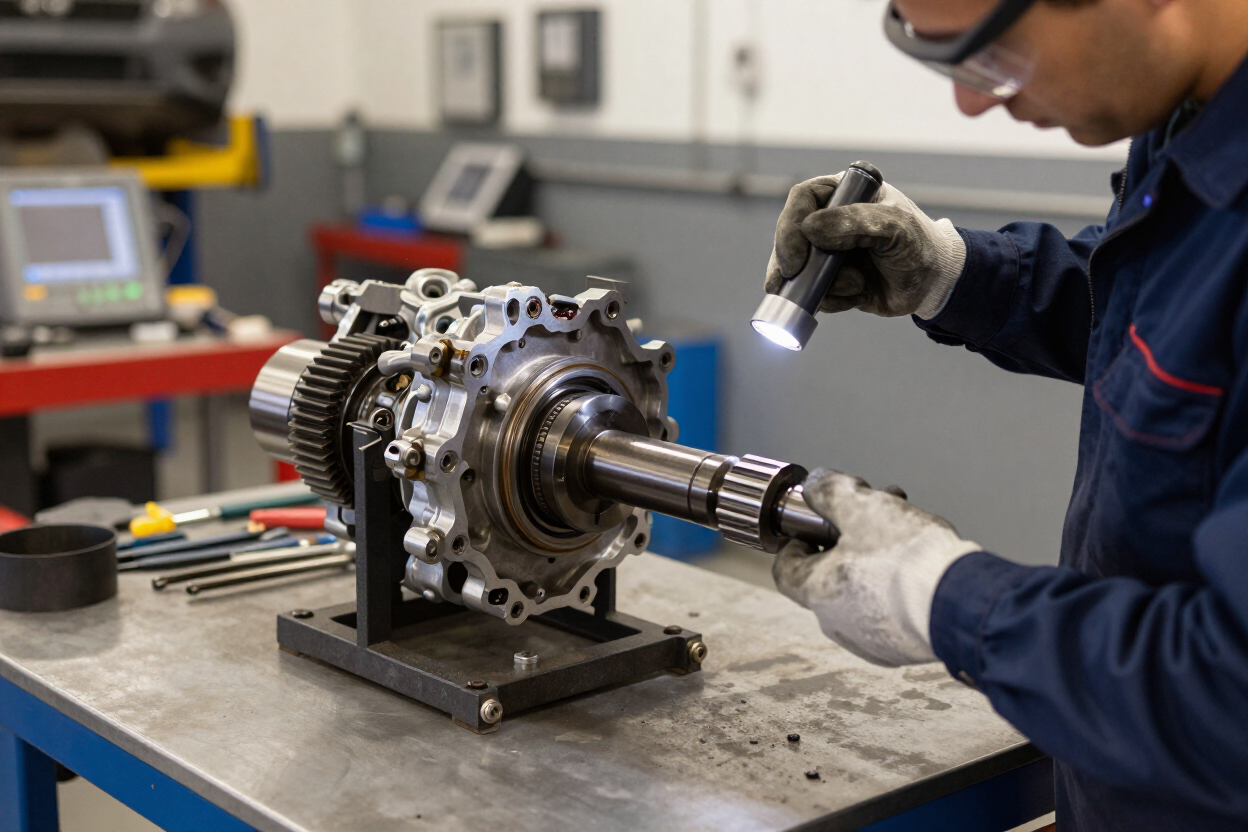
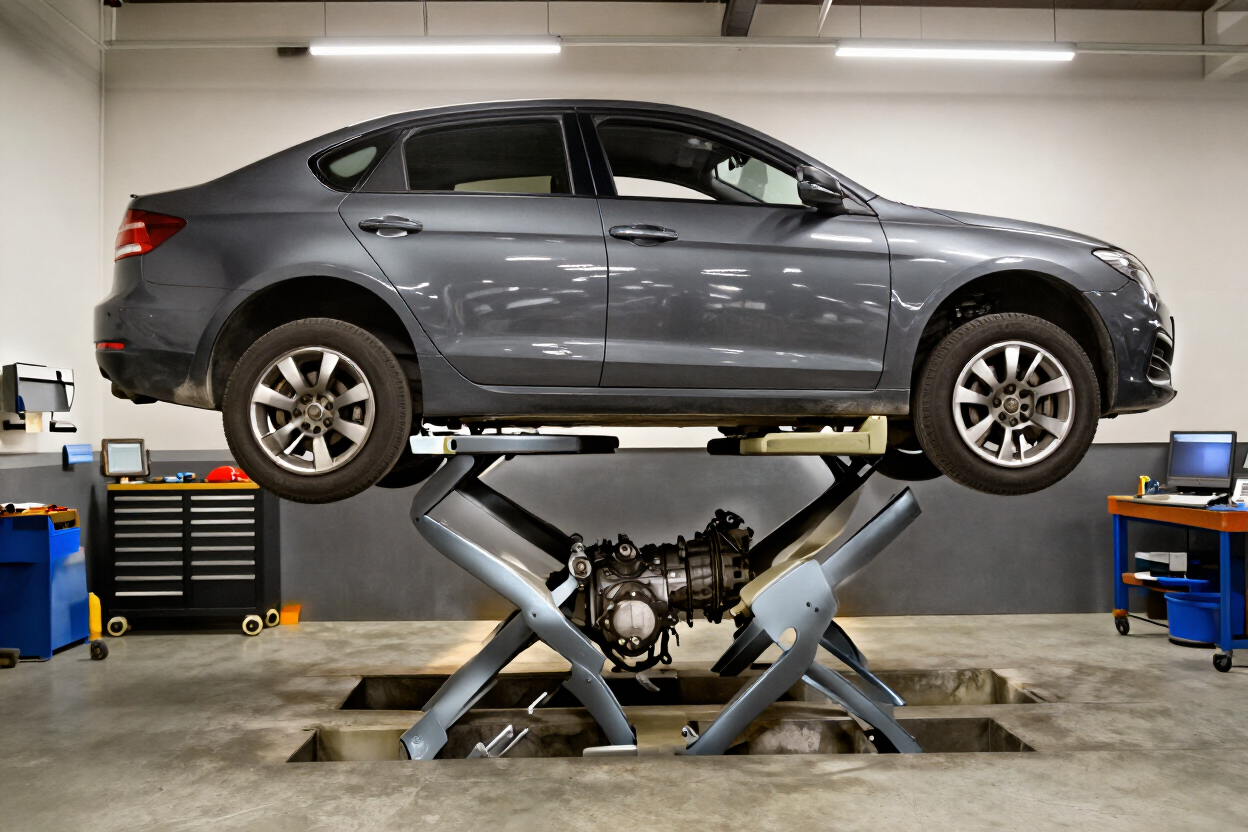
Your own transmission is removed, disassembled and inspected. Worn or damaged parts are replaced, and the unit is reassembled and reinstalled. A rebuild lets the technician look at everything inside and address the specific causes of failure.
At Valley Transmissions, rebuilt units carry a 2-year/24,000-mile warranty.
Remanufactured
This term is used by many suppliers, but the process behind it varies. In general, a remanufactured unit is rebuilt in a production-style setting to a set standard and often includes updates for known weak points. Because the word isn't used the same way everywhere, always ask what's included and what the warranty covers.
Replacement (purchased) unit
A replacement unit is installed in place of your original. This can be a good fit when your original is too worn to rebuild, when parts are hard to find, or when you want your vehicle back sooner.
At Valley Transmissions, purchased units carry a 3-year/100,000-mile warranty.
How to choose
- Time: Replacement is often faster than waiting for a full rebuild. Ask for an estimate on timing.
- Condition: Heavy internal damage or a case that's cracked may point toward replacement.
- Vehicle value: Weigh the cost of the repair against what the vehicle is worth to you, not just its book value.
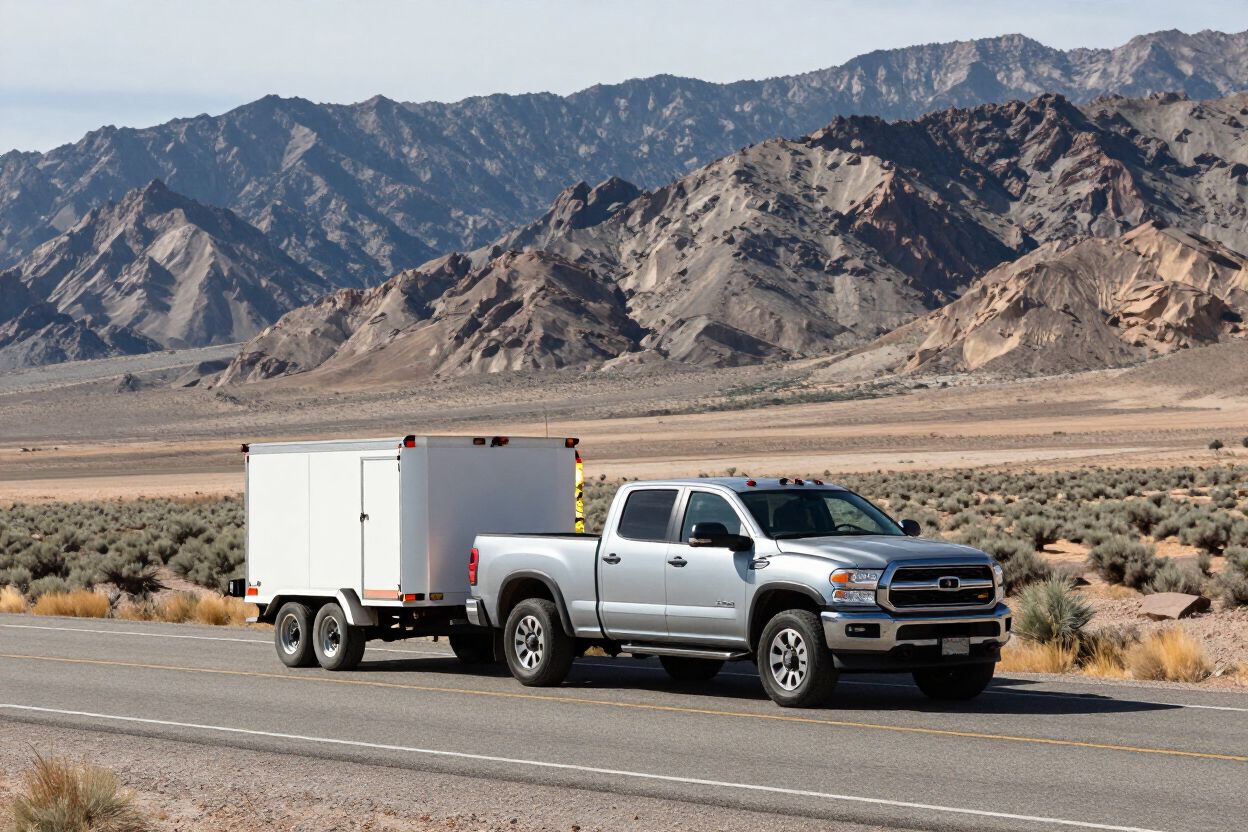
- How you drive: If you tow, haul or work your vehicle hard, ask about heavy duty upgrades.
- Warranty: Compare coverage length and what it includes, not just the price.
Get a straight answer
The best way to decide is to have the vehicle diagnosed. After diagnosis, we lay out the options and explain how each one is covered, so you can choose what makes sense.
Call 825-5020 or request an estimate.