Transfer Case vs. Differential: What They Do and the Signs Something's Wrong
If you drive a 4WD or AWD vehicle, you've got two parts that don't get much attention until they act up: the transfer case and the differential. They work together, but they do different jobs.
What a transfer case does
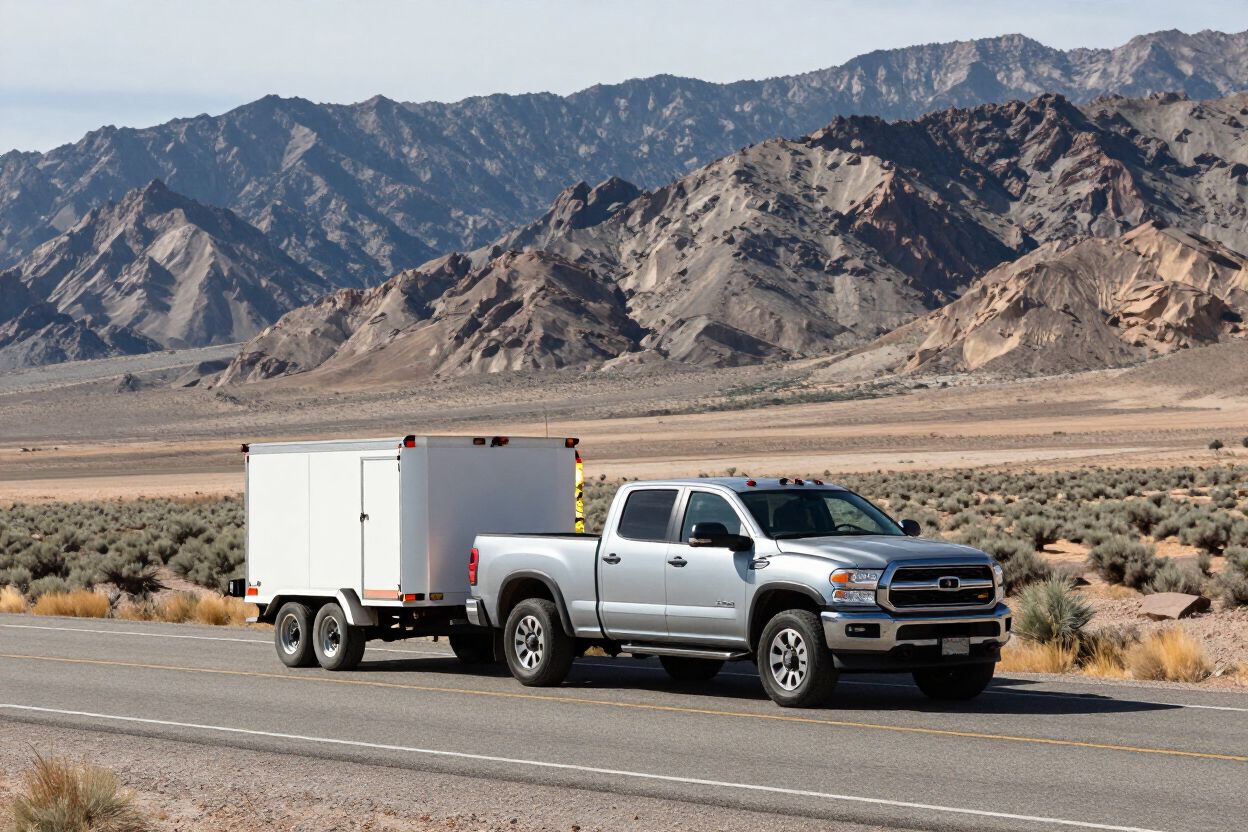
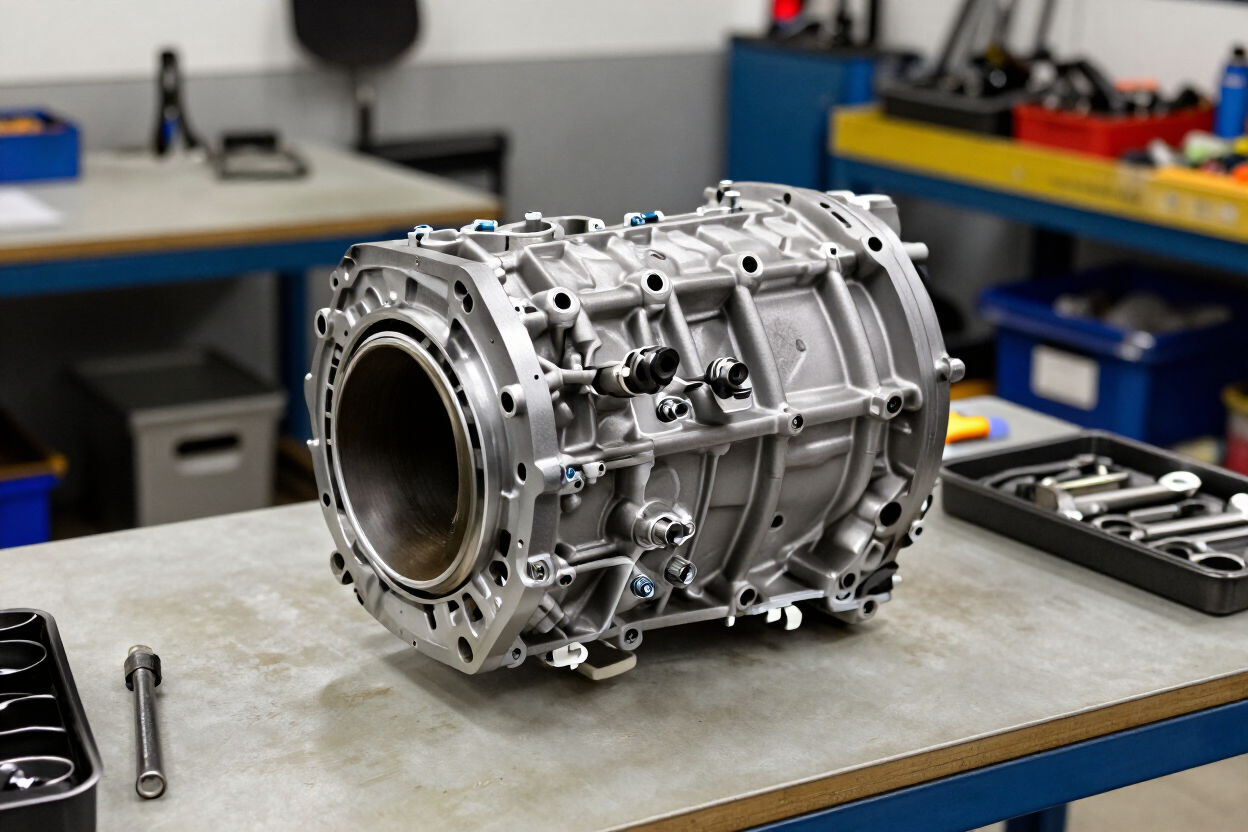
The transfer case sits behind the transmission in four-wheel-drive and many all-wheel-drive vehicles. It splits power between the front and rear axles so all four wheels can drive the vehicle. In many trucks, it's also where you choose between 2WD, 4-High and 4-Low.
What a differential does
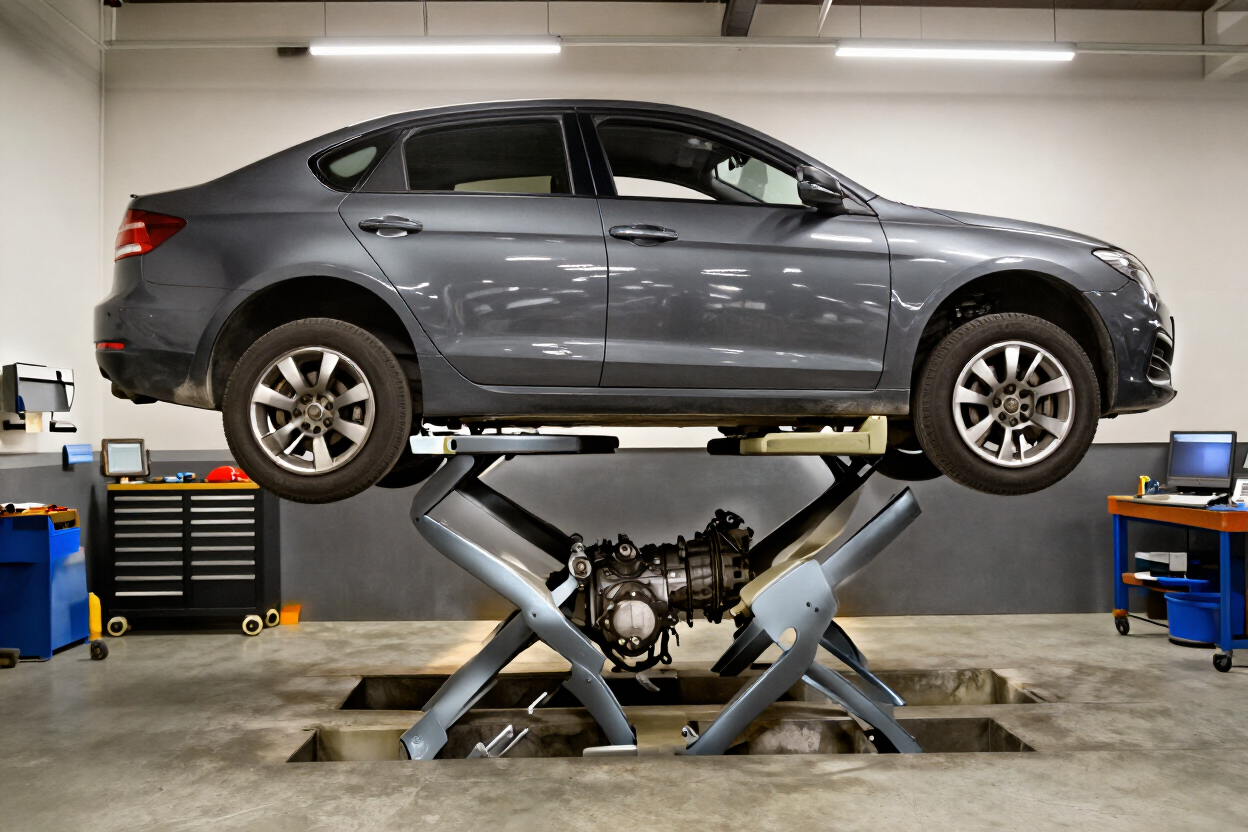
A differential sits on an axle and lets the wheels on that axle turn at different speeds. That matters in turns, where the outside wheel travels farther than the inside wheel. Most 4WD and AWD vehicles have a front and a rear differential.
Signs of transfer case trouble
- Grinding or whining that changes with speed
- Difficulty shifting into or out of 4WD
- The vehicle pops out of gear or won't stay in 4WD
- Leaking fluid near the middle of the vehicle
- Vibration while driving
Signs of differential trouble
- Whining or howling that changes when you accelerate or let off the gas
- Clunking or clicking, especially in turns
- Vibration that gets worse at speed
- Fluid leaking near the axle
- Metal shavings or a gritty look in the fluid
Why it's worth checking early
Low or worn fluid and failing bearings can quickly damage gears. A small repair can turn into a major one if the noise is ignored. Diagnosis also tells you whether your problem is in the transfer case, the differential, or somewhere else in the drivetrain, like a U-joint or axle shaft.
How we can help
Valley Transmissions repairs transfer cases and differentials as well as transmissions, so you get one shop that looks at the whole powertrain. Rebuilt units carry a 2-year/24,000-mile warranty.
Call 825-5020 or request an estimate.